

“If internet is not your problem, then about 70 per cent of the problem is gone.”
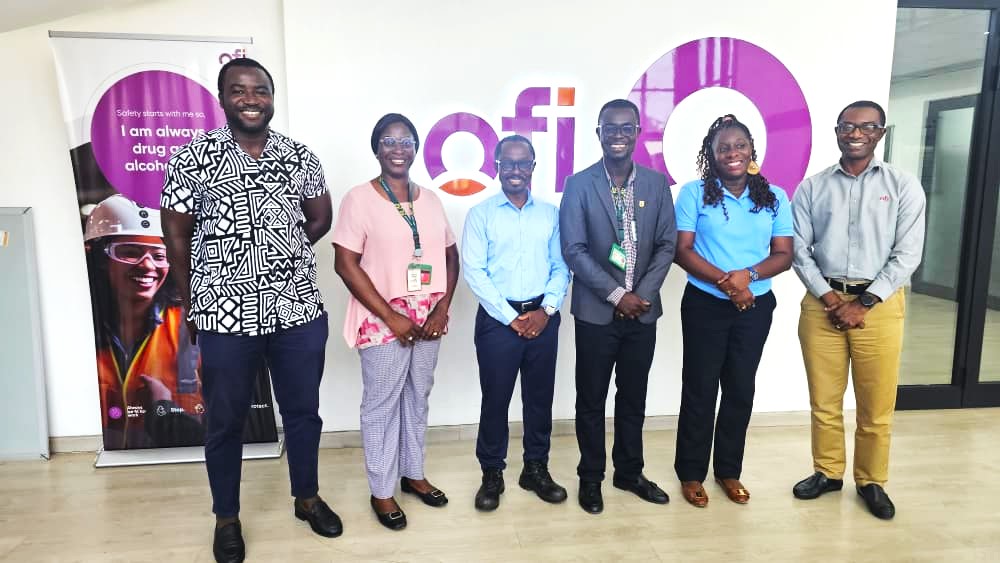
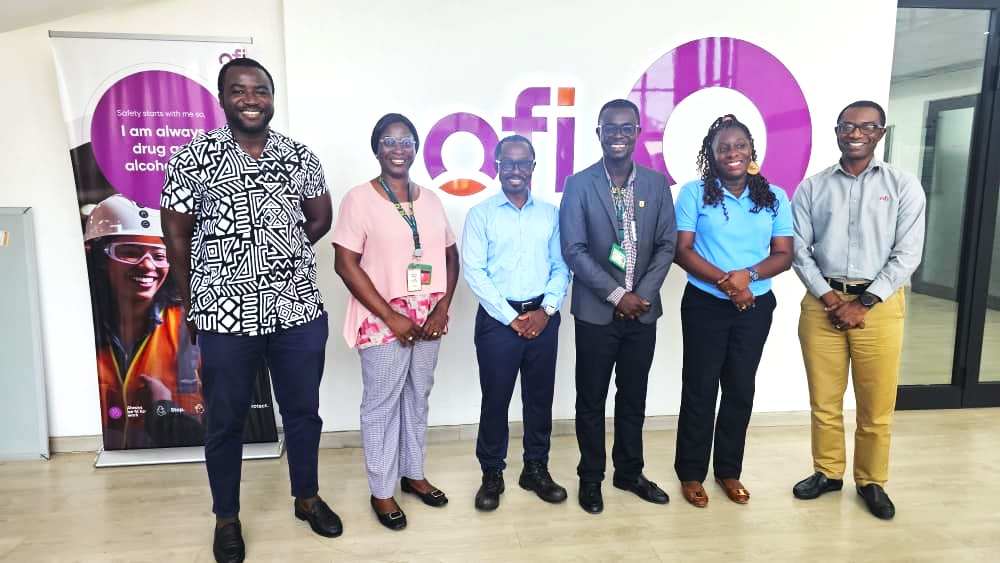
That was the message during a visit by leadership of the KNUST E-Learning Centre to Olam Cocoa Processing Ghana Ltd at Kaase in the Asokwa Municipality.
The Director of the Centre, Emmanuel Kofi Akowuah, and the Senior Assistant Registrar, Abigail Dzama Anderson, held talks with managers of the company on how digital learning tools can support community training, skills development and industry needs.
Professor Akowuah said the Centre is focusing on impact beyond campus. “We have platforms for self-paced learning, online assessment, and content design. We are asking how these tools can also serve industry and the community,” he said.
He explained that the Centre runs remote examinations, instructional design services and virtual reality simulations. “We have virtual labs. We can support training in many forms. The question is how to align this with your objectives,” he added.
Leading the team from Olam was Ing. Prince Asiedu Acheampong, who indicated their interest in using technology to support young people and schools within their catchment area as part of the CSR initiatives. The Company indicated to the KNUST E-learning team that they had adopted and equipped a community school with an ICT lab so part of its CSR, with modern tools for learning. Following this revelation, the conversation moved from infrastructure to impact. The two teams explored collaboration opportunities to maximize the impact of the ongoing project. The managing Director said “If connectivity is in place, then we can think about content and training,”
He also expressed interest in the possibility of exploring how digital tools can help build interest in science and technology at the basic school level. “We are thinking about how to use models like mobile labs and robotics to support schools. If there is a partner who understands this space, then we can work together,” he said.
Professor Akowuah said exposure matters. “Sometimes students just need to see what is possible. When they come and experience tools like 3D printers or simulation software, it changes how they think,” he said.
He also raised concerns about gaps in teaching digital skills. “You may have teachers who are asked to guide robotics or programming, but they lack the confidence because in some cases, the learners are far ahead of them. We can train teachers as well, so learning in the classroom improves,” he said.
The Centre also proposed linking student projects from KNUST to industry problems. Professor Akowuah said “when students know their work will be seen by industry, the quality improves”.
“When it is not just academic grading but a real-world problem, students take it seriously. Presentation skills improve. Teamwork improves,” he said.
Olam representatives indicated interest in defining a pilot project that students can work on, with mentorship from both sides. They also discussed internship pathways, national service placements and long-term collaboration between the two institutions.
Prof. Akowuah also took advantage to invite them to the upcoming E-learning week and International Conference in July 2026, stressing that this year’s celebrationwould focus on bringing impact to the community. He said community impact is central to the university’s mandate. “We want stories where someone says, ‘I came here, I saw this, and it changed my path.’ That is the impact we are looking for,” he said.
Both sides agreed to outline specific proposals for review.